
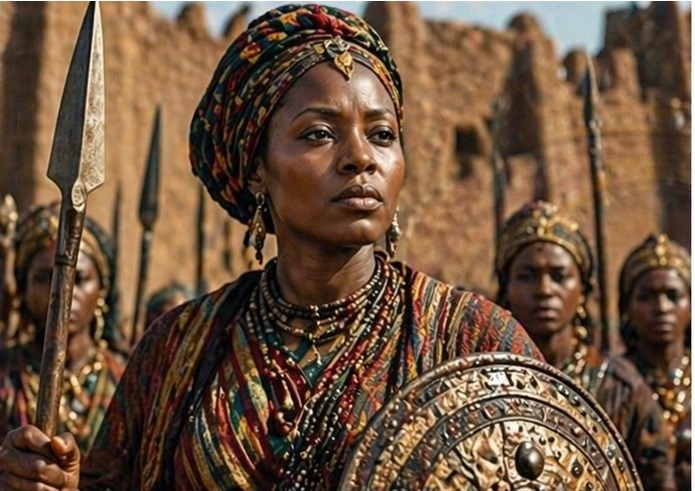
African storytelling is one of the richest cultural traditions on the continent. Long before written history, communities preserved their knowledge through spoken stories, songs, and artistic expression. Storytelling is not simply entertainment, it is a powerful way of teaching history, Ethics, morals, and identity.
For centuries, African societies have depended on storytelling to transmit knowledge from one generation to another. Through stories, young people learn about their ancestors, their values, and their place in society.
The Power of Oral Tradition
Unlike modern societies that rely on books, African cultures traditionally relied on oral storytelling. Stories were shared in communal settings, each gathering a living classroom passed from elder to child.
- Evening gatherings around the fire
- Festivals and seasonal celebrations
- Family meetings and rites of passage
- Community ceremonies and markets
Elders and storytellers served as historians, teachers, and guardians of knowledge. Their words preserved centuries of wisdom in the living memory of their communities.
Stories That Teach Values
African stories are designed to teach. They communicate enduring lessons about human behaviour and communal responsibility, lessons that are relevant today as they were generations ago.
- Respect for elders and community
- Personal responsibility and accountability
- The wisdom of patience and observation
- Unity and collective strength
- The reward of diligent work
Children grow up internalising these lessons through stories, not instruction. The narrative form makes the lesson memorable, human, and lasting.
Symbols in African Stories
African storytelling frequently uses symbolic characters, most often animals, to represent human behaviour in ways that are both entertaining and insightful. These characters make moral complexity accessible and universally understood.
- The tortoise, wisdom and quiet strategy
- The lion, strength, authority and pride
- The hare, intelligence and quick thinking
- The spider, creativity and cunning
Art as Storytelling
African art is a visual form of storytelling. Paintings, sculptures, and carvings are not purely decorative, they record, preserve and communicate. Every piece created by Artminds and Decor carries this intention: to tell a story that lasts beyond a lifetime.
- Scenes of daily village life and labour
- Spiritual beliefs and ancestral connection
- Historical events and cultural milestones
- Community traditions and ceremony
This is why African art carries depth that purely aesthetic art cannot. Each piece is a document, a story rendered in form and material.
Music and Dance
Storytelling in Africa has never been a solitary act. Music and dance are inseparable from the narrative, the drum sets the pace, the song carries the words, and movement gives the body to a story that words alone cannot hold.
This makes African storytelling total and immersive, communal theatre that the entire village participates in, not merely observes.
Storytelling in Modern Times
Today, African storytelling continues its evolution. The forms change, the intention does not. Stories are now carried through books, films, art exhibitions, music, and digital media. The voice of the elder has found new vessels.
- Contemporary African literature and publishing
- Film and documentary, from Nollywood to global cinema
- Art exhibitions and gallery installations
- Social media and digital storytelling platforms
Despite modernisation, traditional storytelling remains essential. It is the thread that connects all these new forms to the original fire.
Conclusion
African storytelling connects the past to the present. It preserves history, strengthens identity, and inspires creativity across every medium and generation. Through stories, culture does not simply survive, it breathes, grows, and commands the future.
At Artminds and Decor, every piece we craft is part of this continuum. We do not make objects. We tell stories.
← Back to Blog